
Forrester Research: Stop Measuring Tech Debt; Start Wiring It Into Decisions
How to use portfolio evidence to guide investment, fund the right interventions, and keep technical debt from undermining business priorities.
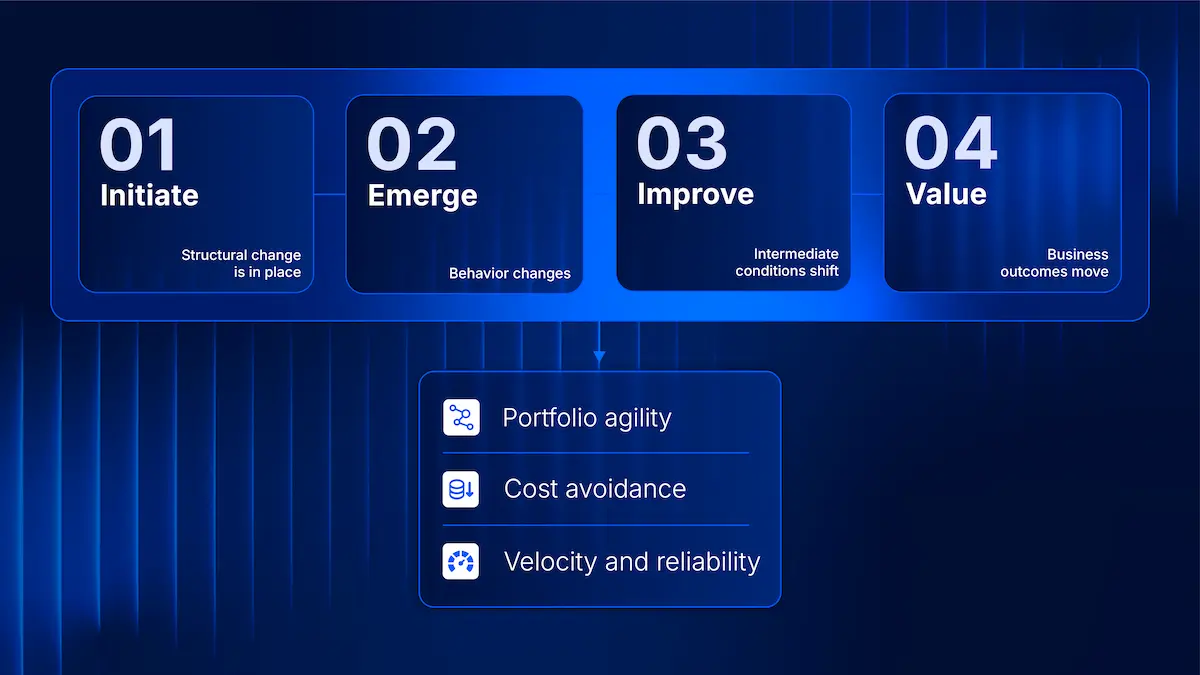
Most organizations track application health but struggle to make it matter when investment decisions are made. Technical debt persists because the evidence stays disconnected from the governance, funding, and operational choices that allocate resources.
This report shows how to make application-health evidence part of decision-making so you can:
- Make better investment decisions by bringing technical-debt evidence into funding, governance, and operational decisions.
- Build stronger remediation cases by connecting application health to business exposure, cost, and delivery impact.
- Justify ongoing remediation funding with evidence of progress before broader financial benefits are measurable.
FAQs
Balancing technical-debt reduction with investment in new initiatives requires prioritizing funding according to business value, risk, and urgency, while allocating enough capacity to address the debt that could undermine delivery. Application portfolio management provides a common basis for these trade-offs by connecting the costs and risks of existing applications with the expected benefits and technical requirements of proposed initiatives. Leaders and practitioners can then assess whether the applications can support the planned changes and whether remediation, replacement, or retirement would offer better value than continued investment in the existing applications. Comparing the cost of these interventions with the potential consequences of deferring them helps leaders decide which improvements must accompany a new initiative, and which can wait. Practitioners can use the same assessment to recommend the sequence of work, accounting for application dependencies and available delivery capacity.
Securing funding to address technical debt requires a business case that connects the proposed remediation to business priorities and explains the cost and risk of postponing the work. Technical health scores and lifecycle information help practitioners identify applications that need attention, but securing funding also requires evidence of how application problems affect business services, planned initiatives, costs, and risks. Bizzdesign’s application portfolio management capabilities help practitioners establish the business impact of technical debt by connecting application health, costs, and dependencies with business capabilities and planned investments. Practitioners can then identify which business commitments depend on applications needing remediation and explain how unresolved technical problems could delay delivery, disrupt services, or increase operating costs. The funding request can therefore specify the resources required, expected benefits, and consequences of delaying the work, giving leaders a basis for assessing remediation alongside competing investments.
Preventing technical debt from returning requires making application-health evidence part of ongoing investment, funding, and operational decisions. A cleanup program can resolve immediate problems, but debt can accumulate again if subsequent decisions overlook aging technology, application dependencies, or the resources needed for maintenance. Continuous application portfolio management helps prevent those oversights by keeping application health, lifecycle, costs, and dependencies visible when teams review investment proposals and delivery plans. Practitioners can use the portfolio information to flag emerging risks, identify which planned initiatives depend on applications needing attention, and adjust maintenance and remediation priorities as business needs change. Leaders can then allocate funding, responsibility, and delivery capacity before technical problems become urgent. Following through on the agreed improvements and making room for regular maintenance in future budgets and delivery schedules helps prevent new business demands from repeatedly pushing necessary application work aside.
Application portfolio management helps organizations reduce costs and technical debt by connecting application health, lifecycle, dependencies, and cost with business priorities and planned investments. Using Bizzdesign’s application portfolio management capabilities, teams can assess technical problems alongside application costs and business needs to identify where technical debt consumes resources or constrains important business change. Teams can then compare remediation with modernization, consolidation, replacement, continued operation with accepted risk, or retirement and prioritize action based on business importance, cost, risk, and relevance to future strategy. Funding and executing the selected interventions can help organizations recover delivery capacity, avoid unnecessary application spending, and reduce the cost and effort of change. After implementation, teams should compare actual application costs and delivery performance with the expected savings and improvements to assess whether the investment is paying off.
Early progress from technical-debt work can be demonstrated through improvements in delivery effort, deployment frequency, or incident rates before overall cost savings become measurable. Building a credible account of progress starts with showing whether application-health findings influence investment and delivery plans, for example, when an initiative’s budget includes remediation needed for successful delivery. Once the funded remediation is completed, teams can compare delivery and operational measures before and after the work, looking for improvements such as faster deployments, fewer incidents, or lower cost per change. Application portfolio management helps teams connect remediation plans with the applications and business capabilities affected, giving measures from delivery and operational systems the business context needed to explain why the improvements matter. A record of completed remediation and measurable operational improvements strengthens the case for continued investment while teams track whether the improvements translate into financial benefits.
Bizzdesign’s application portfolio management capabilities help organizations direct investment toward applications that support business priorities and identify where spending could be reduced or redirected. By bringing technical assessments together with application costs, dependencies, business capabilities, and investment plans, Bizzdesign helps teams evaluate whether applications can support planned initiatives and where improvements are needed. Practitioners can use the combined technical and business information to recommend which applications to improve, replace, consolidate, or retire, while leaders can weigh the recommendations against expected benefits, costs, and risks. Bringing the recommendations into funding and planning reviews creates a more defensible basis for reducing investment in applications that no longer support future priorities and funding necessary application improvements before new initiatives depend on them.
Stop Measuring Tech Debt; Start Wiring It Into Decisions, Forrester Research, Inc., July 1, 2026.
Information in Forrester publications is based on Forrester’s efforts to compile and analyze the best resources reasonably available to Forrester at any given time. Opinions reflect judgment at the time and are subject to change. This report is part of a broader collection of Forrester resources, including interactive models, frameworks, tools, data, and access to analyst guidance.

Bizzdesign shows which applications power your business, waste budget, or stall transformation.